
SIL Accommodation Guide – Understanding Supported Independent Living Under the NDIS
Supported Independent Living (SIL) is one of the most misunderstood supports available through the National Disability Insurance Scheme (NDIS). Many participants and families assume SIL simply means moving into shared accommodation, but it is much more than housing alone.
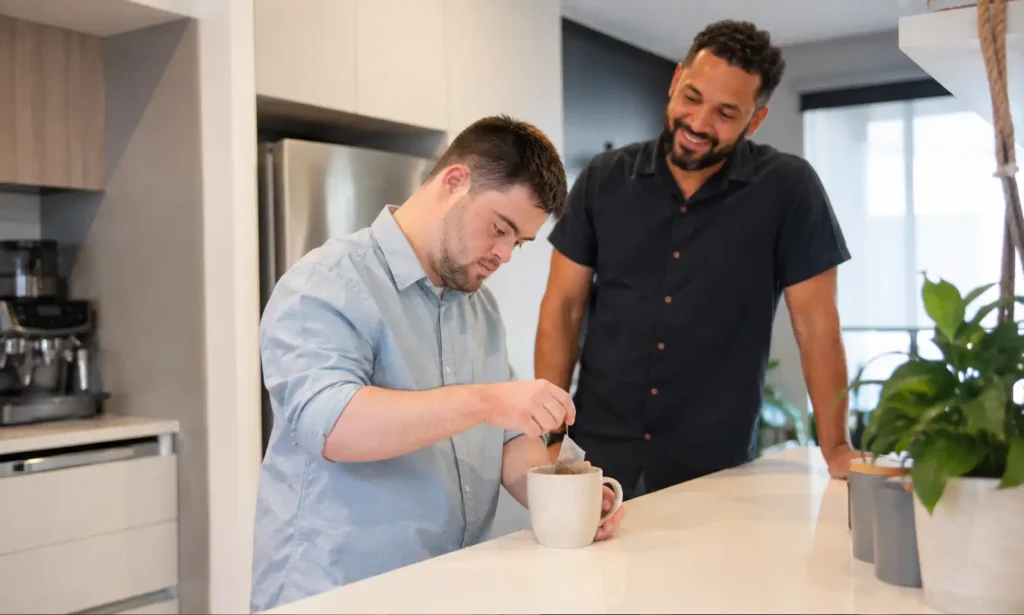
SIL is designed to help eligible participants live as independently as possible while receiving the day-to-day support they need to manage everyday life. Depending on individual circumstances, this may include assistance with personal care, household tasks, skill development, community participation and other daily living activities.
For participants with higher support needs, SIL can provide a stable, supportive living environment that encourages independence, choice and long-term wellbeing.
This guide explains what SIL Accommodation is, who it may be suitable for, how it works under the NDIS, what supports may be included and what participants and families should consider when exploring Supported Independent Living.
If you’re new to the NDIS, we recommend first reading Understanding the NDIS before learning more about SIL.
What Is SIL Accommodation?
Supported Independent Living (SIL) is an NDIS support designed to help eligible participants live as independently as possible while receiving assistance with everyday tasks.
The emphasis is on the support provided rather than the building itself. SIL funding helps participants access the daily assistance they require to live safely, develop life skills and work towards greater independence.
Depending on individual circumstances, SIL may be provided in shared living arrangements or other suitable accommodation settings where participants receive ongoing disability support.
What Does Supported Independent Living Aim to Achieve?
The goal of SIL is to provide participants with the support they need while encouraging them to develop skills, make choices and participate as independently as possible in everyday life.
Supported Independent Living aims to:
- Promote independence.
- Support everyday living skills.
- Increase confidence.
- Encourage community participation.
- Provide a safe and supportive living environment.
- Improve overall quality of life.
Every participant has different goals, so SIL supports are tailored to individual needs rather than following a standard approach.
Who May Be Suitable for SIL Accommodation?
SIL is generally intended for eligible NDIS participants who require ongoing support with daily living because of their disability.
Participants may benefit from SIL if they require regular assistance to safely manage everyday activities while working towards greater independence.
Every participant’s circumstances are unique, and eligibility for SIL funding is determined by the National Disability Insurance Agency (NDIA) based on individual support needs.
What Supports Can Be Included in SIL?
The supports provided through SIL depend entirely on the participant’s individual NDIS plan and support requirements.
Examples of supports that may be delivered within a Supported Independent Living environment include:
- Assistance with personal care.
- Support with daily routines.
- Help preparing meals.
- Household assistance.
- Medication support where appropriate.
- Developing independent living skills.
- Building social and communication skills.
- Support accessing community activities.
The objective is to help participants build confidence while receiving the assistance required to live as independently as possible.
What Is the Difference Between Housing and SIL?
One of the most common misconceptions about SIL is that it refers to a type of housing.
In reality, SIL refers to the disability supports provided within a living arrangement rather than the accommodation itself.
The accommodation and the support funding are separate considerations under the NDIS.
Understanding this distinction helps participants and families better understand what SIL funding is designed to provide.
Developing Everyday Living Skills
Supported Independent Living isn’t simply about receiving assistance—it also focuses on helping participants develop practical life skills wherever possible.
Depending on individual goals, participants may be supported to build confidence with:
- Personal care routines.
- Meal preparation.
- Household responsibilities.
- Money management skills.
- Communication.
- Social interaction.
- Daily decision-making.
The level of support provided always reflects the participant’s individual circumstances, abilities and goals.
How SIL Works Alongside Other NDIS Supports
Supported Independent Living often forms part of a broader package of disability supports.
Depending on the participant’s NDIS plan, SIL may be complemented by services such as:
- Daily Personal Activities
- Household Tasks
- Community Participation
- Group Activities
- Community Nursing
- Therapeutic Supports
- Support Coordination
These supports work together to help participants achieve meaningful outcomes while promoting greater independence and community participation.
Shared Living Doesn’t Mean Giving Up Independence
One of the biggest misconceptions about Supported Independent Living is that participants lose their independence once they move into a shared living environment.
In reality, SIL is designed to encourage greater independence by providing the right level of support while promoting participant choice, dignity and self-determination.
Participants are encouraged to make decisions about their daily routines, personal goals and lifestyle wherever possible, with support tailored to their individual abilities and preferences.
The aim is not to do everything for a participant, but to provide the assistance needed while encouraging skill development and greater confidence over time.
Person-Centred Support Is at the Heart of SIL
Every participant has different strengths, aspirations and support needs.
That’s why Supported Independent Living follows a person-centred approach rather than applying the same model to everyone.
Person-centred support means:
- Respecting individual choices and preferences.
- Supporting participants to make decisions about their own lives.
- Encouraging independence wherever possible.
- Recognising each participant’s strengths.
- Providing supports that align with personal goals.
- Reviewing supports as circumstances change.
Successful SIL arrangements are built around the participant—not around the accommodation.
The Role of Families and Carers
Families and carers often play an important role when participants are exploring Supported Independent Living.
For many people, moving into a supported living environment represents a significant life transition.
Families and carers may assist by:
- Discussing long-term goals.
- Supporting decision-making.
- Sharing valuable information about the participant’s routines and preferences.
- Working collaboratively with support providers.
- Helping maintain consistency during transitions.
Positive outcomes are often achieved when participants, families and support providers work together while keeping the participant’s goals at the centre of every decision.
Choosing the Right SIL Provider
Finding suitable accommodation is only one part of the decision. Choosing the right provider to deliver ongoing supports is equally important.
When comparing providers, consider questions such as:
- Do they take time to understand your goals?
- Do they provide person-centred supports?
- How do they encourage independence?
- How do they communicate with participants and families?
- How are support workers matched to participants?
- Can supports be adapted as needs change?
The strongest provider relationships are built on trust, communication, consistency and respect for participant choice.
Our guide on Choosing the Right NDIS Provider explains what to consider before making your decision.
How SIL Funding Fits Within Your NDIS Plan
SIL funding forms part of an individual participant’s NDIS plan where Supported Independent Living has been approved by the NDIA.
Funding decisions are based on individual support needs rather than accommodation preferences alone.
If you’re unsure how SIL funding fits within your overall NDIS plan, these resources may help:
How Supported Independent Living Can Change Over Time
As participants gain confidence, develop new skills or experience changes in their support needs, their SIL arrangements may also evolve.
Regular reviews help ensure that supports continue to reflect the participant’s goals while encouraging greater independence wherever possible.
Supported Independent Living is intended to be flexible, recognising that people’s lives, abilities and aspirations naturally change over time.
Common Misunderstandings About SIL Accommodation
Because Supported Independent Living is often discussed alongside disability accommodation, it’s easy for misunderstandings to arise.
Some of the most common misconceptions include:
- “SIL is a type of house.”
No. SIL refers to the disability supports provided, not the building itself. - “Everyone living in SIL receives the same supports.”
No. Supports are tailored to each participant’s individual NDIS plan and support needs. - “Moving into SIL means losing independence.”
No. The purpose of SIL is to help participants build independence while receiving the assistance they require. - “SIL is only about personal care.”
No. Supported Independent Living may also include skill development, household support, community participation and many other daily living supports.
Understanding these differences helps participants and families make more informed decisions when exploring Supported Independent Living.
How Aligned Assist Supports Participants Accessing SIL
Supported Independent Living is about more than having a place to live—it’s about creating an environment where participants can build confidence, develop life skills and enjoy greater independence with the right level of support.
At Aligned Assist, we provide person-centred disability supports that reflect each participant’s individual goals, abilities and preferences.
Our experienced team works collaboratively with participants, families, carers, support coordinators and healthcare professionals to deliver consistent, high-quality support that promotes independence, dignity and meaningful outcomes.
Whether you’re exploring Supported Independent Living for the first time or looking for a provider that better aligns with your goals, we’re committed to providing compassionate, personalised support throughout your NDIS journey.
Learn more about our SIL Accommodation service.
Supporting Participants Across Melbourne
Accessing high-quality Supported Independent Living shouldn’t depend on where you live.
Aligned Assist delivers disability supports across multiple Melbourne regions, helping participants and families access personalised care close to home.
- All Locations
- NDIS Provider Western Melbourne
- NDIS Provider Northern Melbourne
- NDIS Provider Eastern Melbourne
- NDIS Provider South East Melbourne
Frequently Asked Questions About SIL Accommodation
What is Supported Independent Living (SIL)?
Supported Independent Living (SIL) is an NDIS support that helps eligible participants receive assistance with everyday living while encouraging greater independence and participation in daily life.
Is SIL the same as disability housing?
No. SIL refers to the disability supports provided to participants rather than the accommodation itself. Housing and support funding are separate considerations under the NDIS.
Who can access SIL?
SIL may be available to eligible NDIS participants who require ongoing support with daily living because of their disability. Eligibility is determined by the National Disability Insurance Agency (NDIA) based on individual support needs.
What types of support are available in SIL?
Depending on the participant’s NDIS plan, SIL may include assistance with personal care, household tasks, daily routines, skill development, community participation and other everyday supports.
Can SIL help participants become more independent?
Yes. One of the primary objectives of Supported Independent Living is to help participants build practical life skills, increase confidence and achieve greater independence while receiving appropriate support.
Need Support With SIL Accommodation?
If you’re exploring Supported Independent Living for yourself or someone you care for, Aligned Assist is here to help.
Our experienced team works with participants, families, carers, support coordinators and healthcare professionals to deliver personalised disability supports that encourage independence, promote choice and support meaningful long-term outcomes.
Whether you’re considering SIL for the first time or looking for an experienced provider, we’re committed to helping you understand your options and access supports that reflect your individual goals.
To discuss your support needs, Contact Us.
If you’re a support coordinator, allied health professional or organisation seeking trusted disability support services for participants, visit our Referrals page or learn more about Partner With Us.
Continue Learning About the NDIS
If you’re researching Supported Independent Living and other NDIS supports, these resources may also be helpful:
- Understanding the NDIS
- How to Apply for the NDIS
- Understanding NDIS Funding
- Understanding NDIS Plan Management
- Choosing the Right NDIS Provider
- Positive Behaviour Support Guide
Disclaimer
This article is intended for general informational purposes only and should not be considered legal, financial or professional advice. Eligibility for Supported Independent Living and NDIS funding decisions are determined by the National Disability Insurance Agency (NDIA) based on each participant’s individual circumstances.
For the latest official information about Supported Independent Living and the National Disability Insurance Scheme, please visit NDIS Australia.
Conclusion
Supported Independent Living is about much more than accommodation. It provides eligible NDIS participants with the everyday supports they need to live as independently as possible while building confidence, developing life skills and working towards meaningful personal goals.
Understanding how SIL works, who it is designed for and how it fits within an NDIS plan helps participants and families make informed decisions about future living arrangements and long-term support needs.
When delivered through a person-centred approach, Supported Independent Living can create opportunities for greater independence, stronger community participation and an improved quality of life.
Frequently Asked Questions
What is SIL Accommodation?
SIL Accommodation refers to Supported Independent Living, an NDIS support that helps eligible participants receive assistance with everyday living while promoting independence and skill development.
Is SIL funding the same as housing funding?
No. SIL funding covers disability supports provided within a living arrangement. It does not refer to the accommodation itself.
Who is SIL Accommodation suitable for?
SIL may be suitable for eligible NDIS participants who require ongoing support with daily living due to their disability. Eligibility is determined by the NDIA based on individual needs.
Where can I find official information about Supported Independent Living?
The latest information about Supported Independent Living and the National Disability Insurance Scheme is available from NDIS Australia.